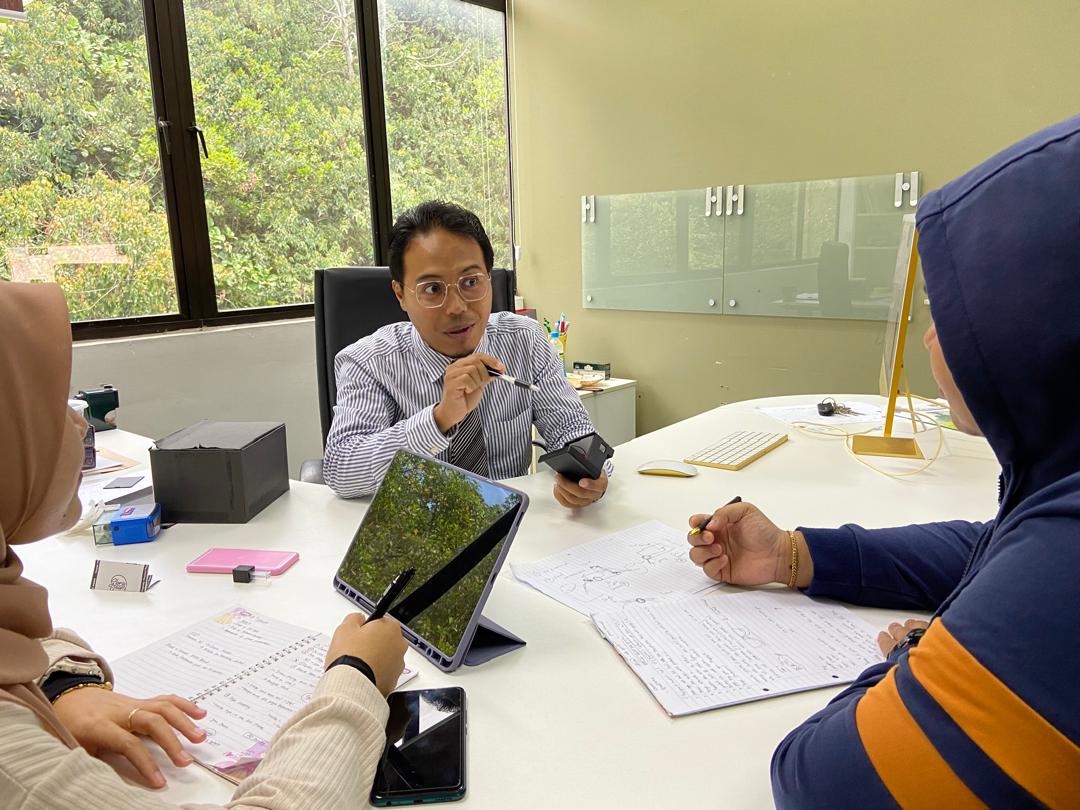
There is a unique place for philanthropy in academia, and it's not about writing that cheque. Take the example of Dr. Ling Tung King how he had worked hand-in-hand with Universiti Putra Malaysia (UPM), to make a difference for the "Orang Asal" community in the Mulu area. It's real work on the grounds of making a fundamental change to people's lives. Then, of course, there is this CEO@UPM program, which CiRNeT started in 2020. Top business leaders are getting involved, not just by words but through actions. They invest their private funds to help UPM's students and research. It is not all goodwill, more or less, to assure the future generation is ready for whatever is to come.
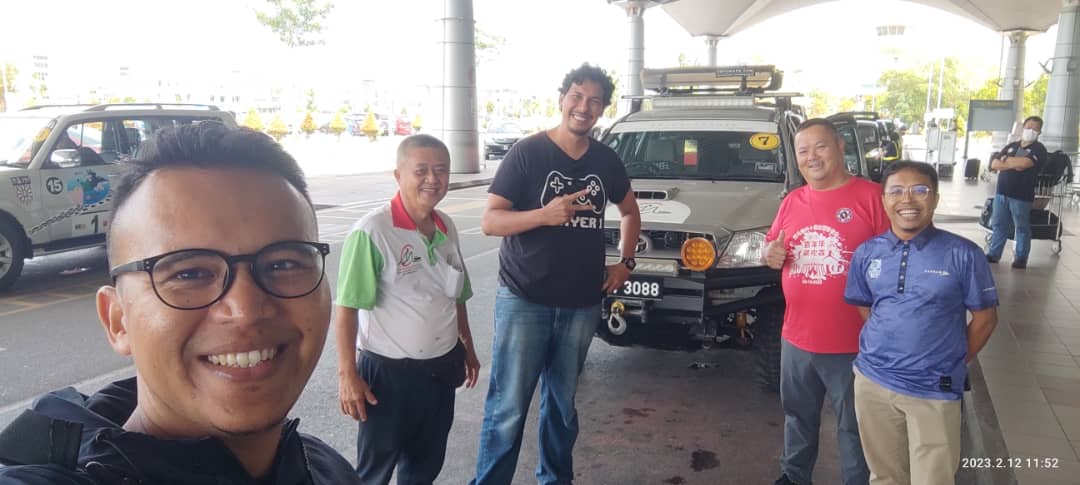
UPM’s model, connecting philanthropy with research, brings a fresh perspective to how universities can go beyond the classroom, working hand in hand with those who want to see real change. It’s a hands-on approach that’s getting attention and making a difference, proving that research can be about more than just studies and publications, it can be about real-world impact. Things are changing at UPM, and this is not happening in the boardroom among the philanthropists and CEOs alone. Researchers at the university are also within this change current. They are no longer satisfied with theories and papers, they are out there taking ideas and making them work-it's something tangible, whose reading this and thinks it describes your journey?. It is a different way of thinking that doesn't stop at research but pushes beyond. The same drive that brings in support from outside the university is also fuelling innovation among researchers. They are taking risks, trying new things, and finding ways to make their work matter in the real world. It is not just research for research's sake, it is more about creating something which makes a difference. And that is what makes UPM so different. It is not the same old business. It is now rather a new twist to what academia could be, and people are importing it.
The universities will no longer be places where theories are only studied. They are where the ideas come to life—involving the students and the faculty to think like every entrepreneur is no trend in UPM. It is a mission. Truly.
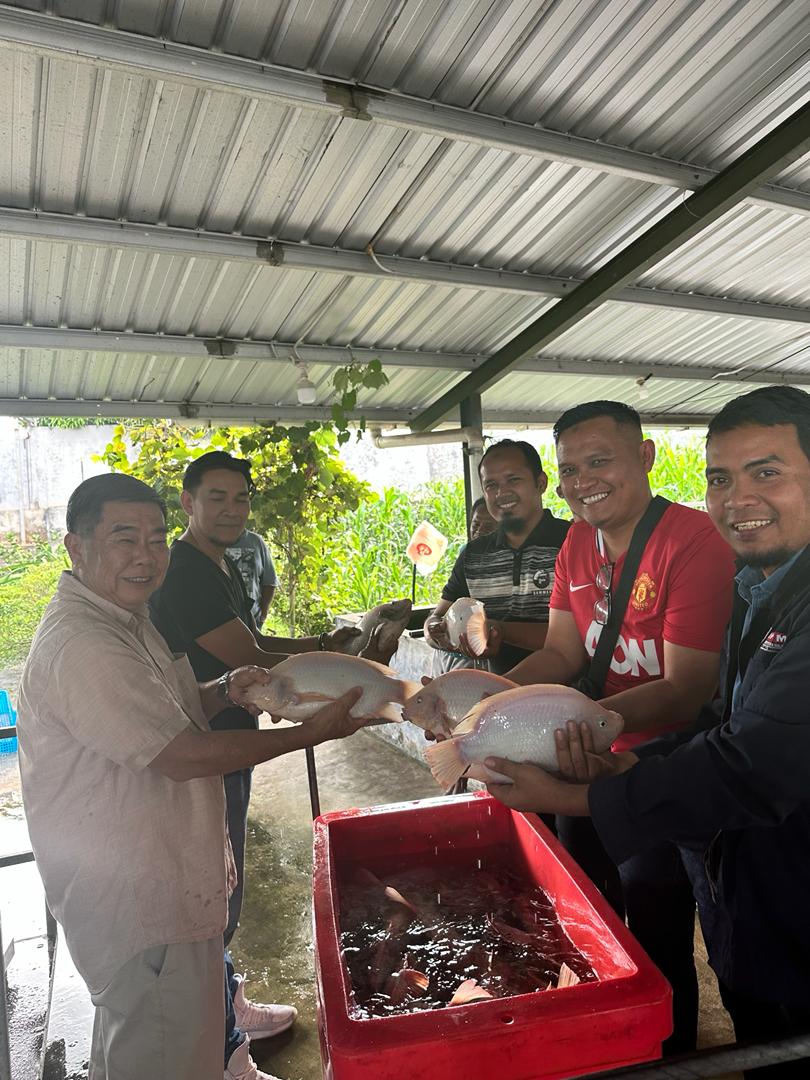
Here, research isn't locked in a research paper. It's translated to real solutions for real people. Imagine a student not just learning about sustainable technology but inventing it. Or imagine a professor not lecturing about business strategies but creating them with local start-ups. So this is an environment where innovation is not only encouraged, it's celebrated. This entrepreneurial mindset at UPM does not simply earn degrees; it molds problem solvers and innovators. It molds a new approach to academics, one that, rather than merely tweak the old idea of university-turns, it upside down. What emerges is a place where education meets real-life application, where the next big idea may well stem from a class project. It is all about breaking barriers to make a meaningful difference.
Take IPR-INTAN@UPM as another example. Though UPM is lighting a spark of agropreneurship thinking among the participants and UPM researchers, they're not stopping there. They can see the big picture. It is not enough to simply generate new ideas; it's all about creating ideas that fit what is needed out there. So starting from the lab and even from the research paper, they go beyond and resort to asking the big questions with industry partners: What is missing? What is needed? And then they're going back and making it happen. It's a two-way street, a conversation between academia and real life. They are not guessing what's needed; they are finding out, and delivering. It's a way of working that doesn't just produce new ideas but produces the right ones. And it's making those researchers not only thinkers but doers, able to step right in and serve where there are gaps the most. It's not exactly by the book, but then again, UPM isn't by-the-book university. We're doing things our way, and it's making a world of difference.
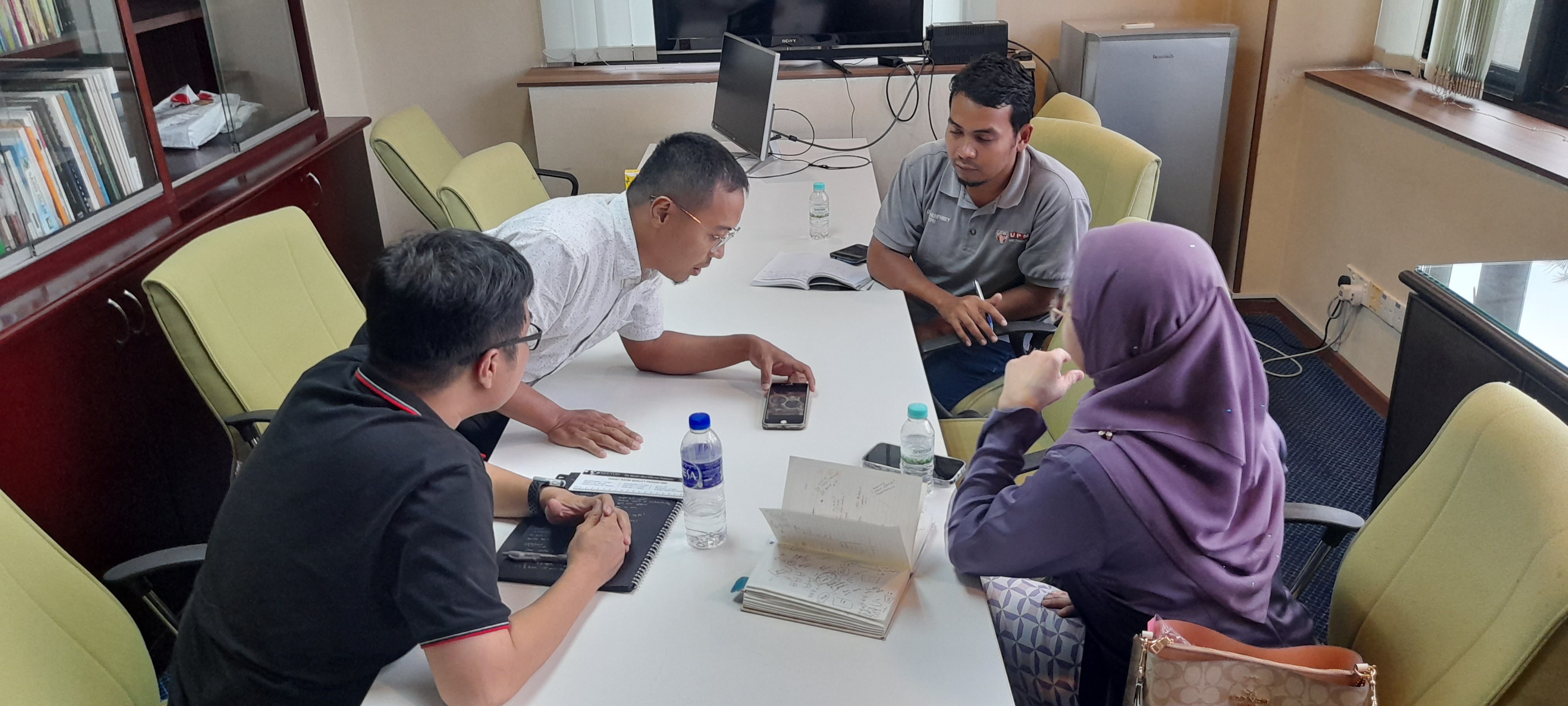
We have noticed at UPM something that most people miss: a gap between what the industry needs and what's being taught.
You can't just know the theories; you've got to see them work. In some UPM's researchers, they're not stuck in labs. They're out there with industry partners, making assessments of what needs are and then making it happen. It's hands-on, practical, and just what the industry has been begging for. They're not just cranking out research papers, they're cranking out experts primed to take on practical problems. This isn't how things are usually done, but maybe that's why it's working. It's a new way of doing things. And one that acknowledges that, outside the university, hardly anything functions on theory alone. The industry needs people who can hit the ground running, and the UPM way is turning out researchers who can do just that. It's about closing the gap, meeting the needs, making sure what's being taught is what's really needed. Making education work, not just in the classroom, not just in the lab, but in the real world.
Assoc Prof Dr Amir Syahir Amir Hamzah
CiRNeT
13062024
Date of Input: 13/06/2024 | Updated: 13/06/2024 | zaidi_tajuddin
MEDIA SHARING